Where it all started
Laos holds a special place in the story of Uminomukou Coffee, in fact, this is where our story began. It did not begin with coffee, but with a question: “How can we tackle deforestation in Laos?”
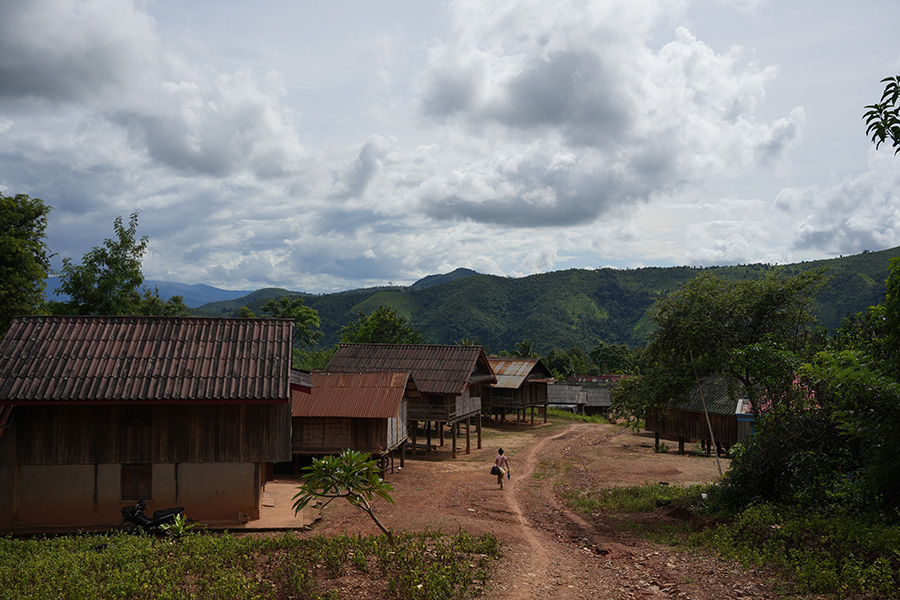
As a multiethnic nation of 7.7 million people with Lao as its official language, Laos has long relied on agriculture, especially rice farming through the slash-and-burn method. However, with the reinforcement of forest conservation policies, population growth, and the introduction of cash-based lifestyles, many are starting to shift their agricultural focus to other cash crops such as Job’s tears and livestock to increase their income. Moreover, through the past 30 to 40 years, the government has been relocating upland villages to the lowlands, building roads to connect villages to nearby towns and improving access to markets. While some have benefited from this change, cash economy has shifted the lives of many others, making cash essential for necessities such as school uniforms, medical treatments, and transportation.
Uminomukou Coffee’s journey in Laos began in 2016, when we first encountered the issue of deforestation and introduced agroforestry based coffee cultivation as a way to protect the forest while generating income. Through this, we met Saffron Coffee, a coffee company based in Luang Prabang, committed to producing high-quality, organic, shade-grown Arabica coffee through its partnership with smallholder farmers in Northern Laos. Since then, we have continued to import and sell coffee through Saffron Coffee in the Japanese market, building a long-lasting relationship.
In 2023, Uminomukou Coffee signed a contract with the United Nations World Food Programme (WFP) Lao PDR Office, for a project funded by the Japanese Government. The aim of this project was to increase incomes for smallholder farmers living in high poverty areas. Through these incomes, we sought to strengthen food and nutrition security in high-risk households. Our partner Saffron Coffee also played a crucial role in this project, which will be explained more later.
Key Issues to be Tackled
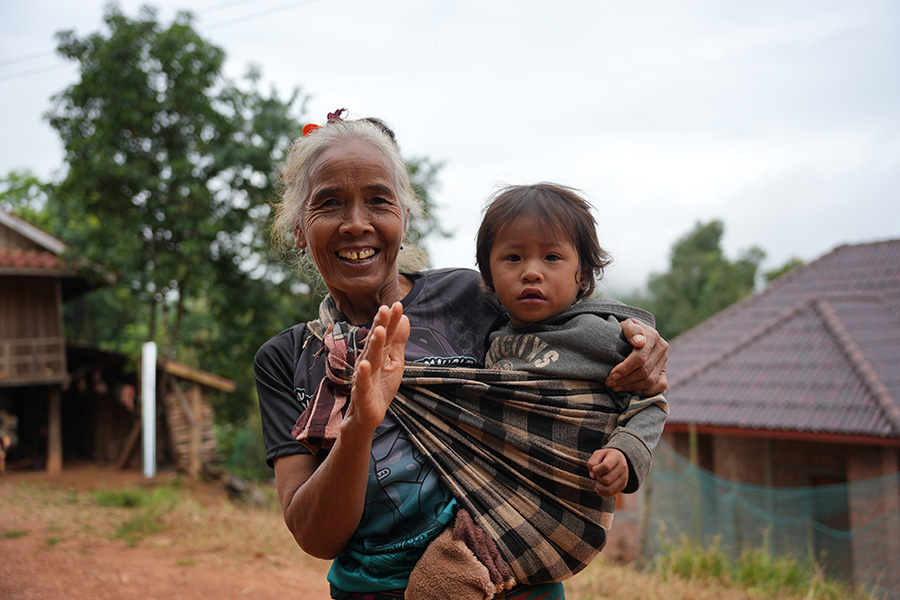
According to the WFP, many households in the Luang Prabang Province of northern Laos suffer from malnutrition. The growth of young children is being stunted, as they lack access to sufficient food resources, and pregnant and breastfeeding women are not meeting the recommended nutritional levels. Therefore, this project targeted these high-risk households- including those with pregnant or postpartum women, adolescent girls, children under five, malnourished mothers or infants, and children with disabilities.
With this target in mind, this project supported coffee production in approximately 300 vulnerable households across eight villages in Luang Prabang Province, home to many ethnic minority groups. While coffee farming is well-established in the South, it is still new in the North. Many farmers have been unable to start due to the burdening startup costs, lack of technical knowledge, Northern Laos coffee’s low market recognition, as well as the long years that it takes to start generating income, posing a great financial risk. Therefore, this project set out to not only introduce coffee production in these areas, but also provide reliable market access to these farmers, creating a solid supply chain and to ensure stable, long-term income.
Why Coffee?
Unlike other traditional income sources such as rice and livestock, coffee offers a stable income while conserving the environment.
Rice fields are often located far from home, requiring a long journey there and back, a burden on the body that already takes on so much physical labor. The rainy season exacerbates the difficulty of traveling, often blocking the roads all together. Livestock can also fall ill, stagnating necessary income. On the other hand, coffee can be grown near the house, allowing families to make a stable income while staying together.
Furthermore, in contrast to rice, Job’s tears, and livestock pasture, that requires a process called slash-and-burn farming that leads to soil degradation, erosion, and deforestation, coffee can be produced through agroforestry. Agroforestry is a system that integrates trees with agricultural crops on the same piece of land, creating a diverse, highly productive ecosystem, enabling forest conservation.
The Project in Action
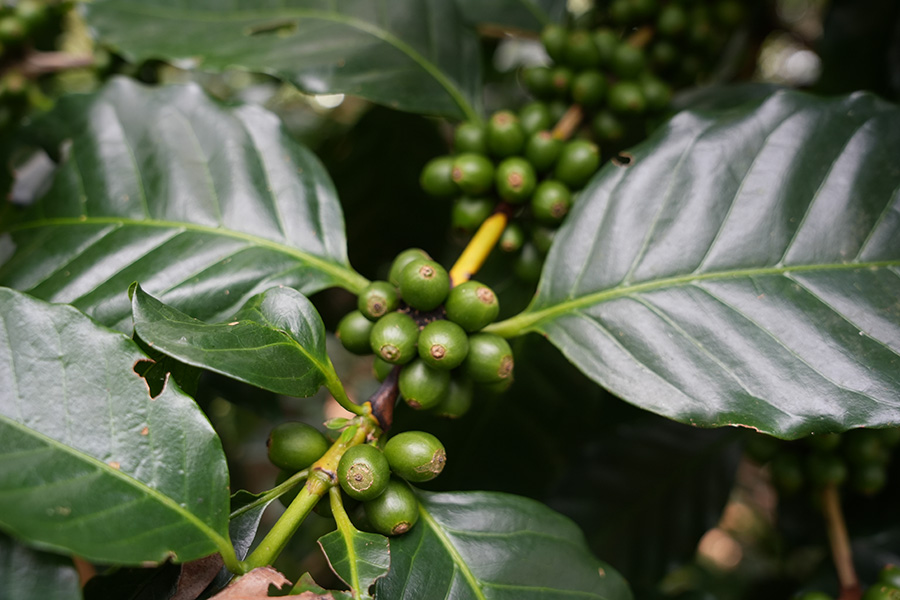
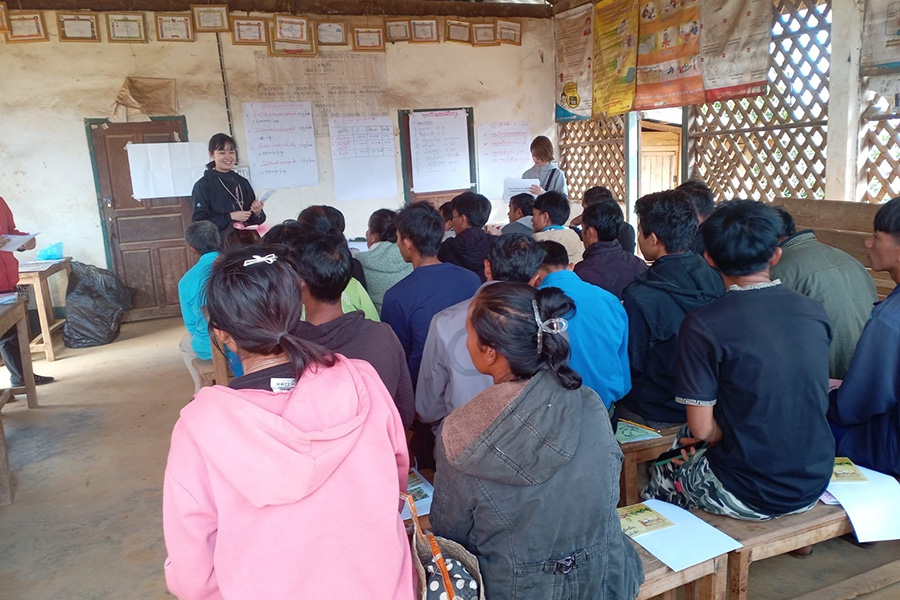
Since the launch of the project in November 2023, the project has made significant, steady progress. In the first year of the project, farmer groups were formed, seedbeds established across seven locations, water storage tanks were installed in 8 villages, and 80,500 seedlings were distributed to participating households. Training workshops on planting, harvesting, pruning, pest control, and disease management were held to equip farmers with the knowledge they need to sustain their crops long-term. By the second year, the project had expanded to 76 additional households, with processing centers constructed across four locations to process coffee in their communities. The processing centers help farmers increase their income, as they are able to conduct the entire process themselves, up to refining their coffee, instead of just selling the cherries as raw products.
Moreover, unlike large-scale plantations that utilize pesticides and chemical fertilizers, we introduced worm composting and promoted natural pest control using local plants. Therefore, all the coffee from our partner farmers is grown using these environmentally friendly alternatives that are kinder to the planet, to the consumers, and the farmers who work in the fields.
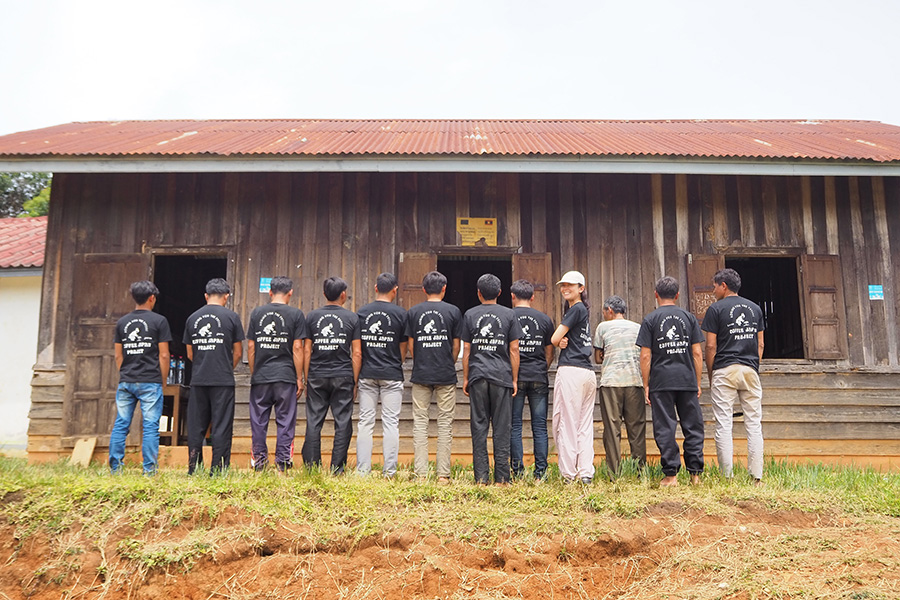
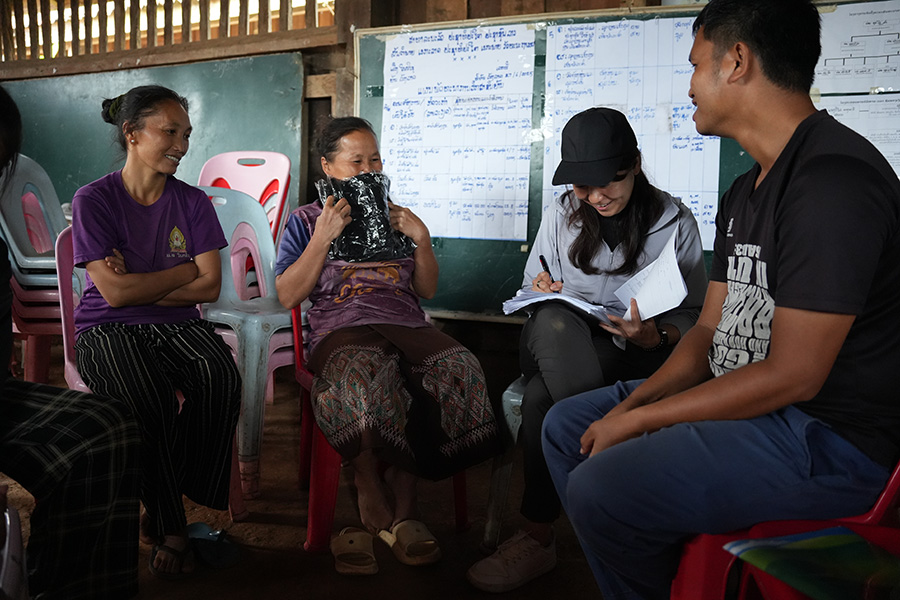
Each organization played a crucial role. Uminomukou Coffee led outreach activities, visiting all eight project villages to conduct interviews. Moreover, we ensured market access to Japan, solidifying a steady supply chain. Saffron Coffee focused on cultivating the seedlings to distribute to the farmers, as well as providing training on cultivation and processing. The WFP held seminars on nutrition importance. During the village visits, we stayed in the homes of local farmers, shared meals, and were part of their day-to-day life. This helped us connect and understand the farmers on a deeper level, building trust that would have been impossible through formal business exchanges.
Our Impact
Through this project, we have distributed a grand total of 162,300 seedlings. 473 farmers newly started coffee cultivation, supported by the resources and training provided through this project. We established 4 processing facilities, and held 27 training sessions covering various topics.
Aside from measurable results, participating farmers have also voiced what this means to them: “Planting coffee has given me hope- hope that I can earn income for years to come, provide for my family, and protect the forest at the same time.” “We now spend more time together as a family. Working in the coffee fields means we don’t have to leave the village anymore.” Others highlight the security that comes from the presence of Uminomukou Coffee: “Because you are here, Saffron buys coffee from us. With that assurance, we feel secure and can commit to growing coffee.”
Looking Ahead
Although the project has a defined timeframe, the trust we have built will continue through our sustainable supply chain. Uminomukou Coffee will continue to purchase from Saffron Coffee, allowing them to continually source from these smallholder farmers. Building a lasting relationship beyond the project is a core value of ours, that we take with us through every project.
What started as a project to tackle deforestation in the mountainous regions of Northern Laos, turned into a community development project, with various teams coming together for a common goal. Laos has enormous potential for specialty coffee, with its unique flavors, high elevations, and hardworking people. With the right support, equipment, and training, their full potential can be unlocked.
We don’t believe in top-down development. That is why we personally visit farms, interview communities, and build relationships from the bottom up, leading to lasting transformation that benefits both the farmers and all other stakeholders involved.