
What does a cup of coffee have to do with a giant tortoise? On the surface, nothing. But together with our partner company Biome, our team at Uminomukou Coffee set out to see if it could be the solution to conserving one of the most biodiverse places on Earth: The Galápagos Islands.
An Ecosystem on the Edge
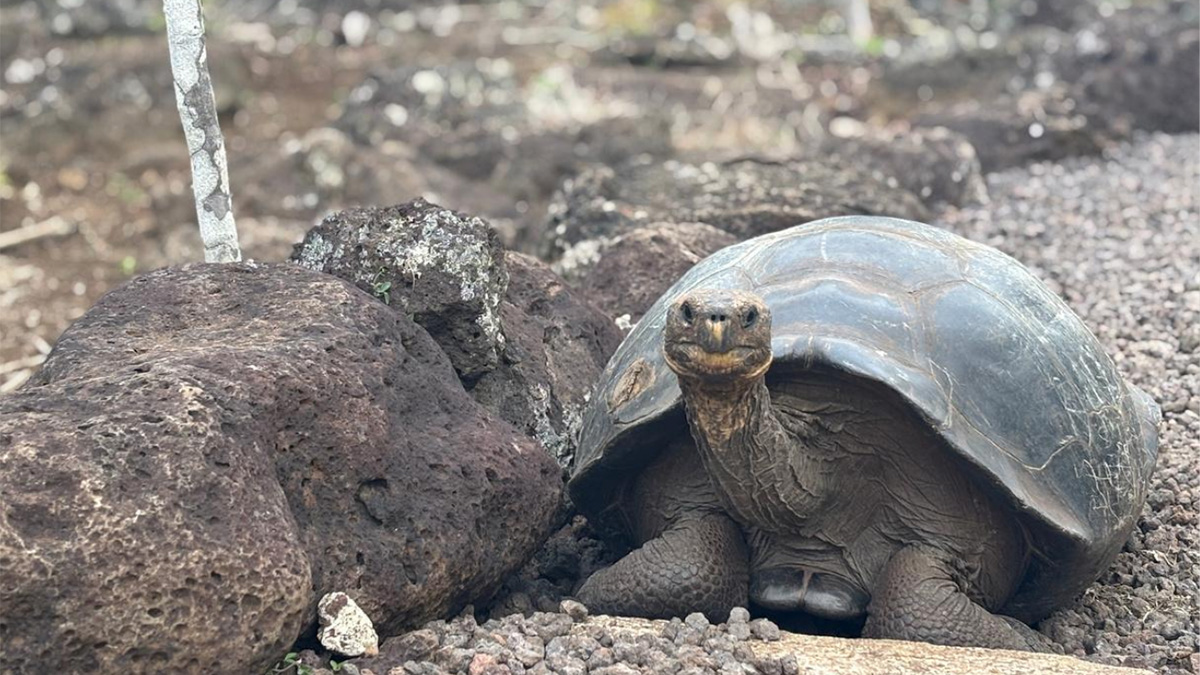
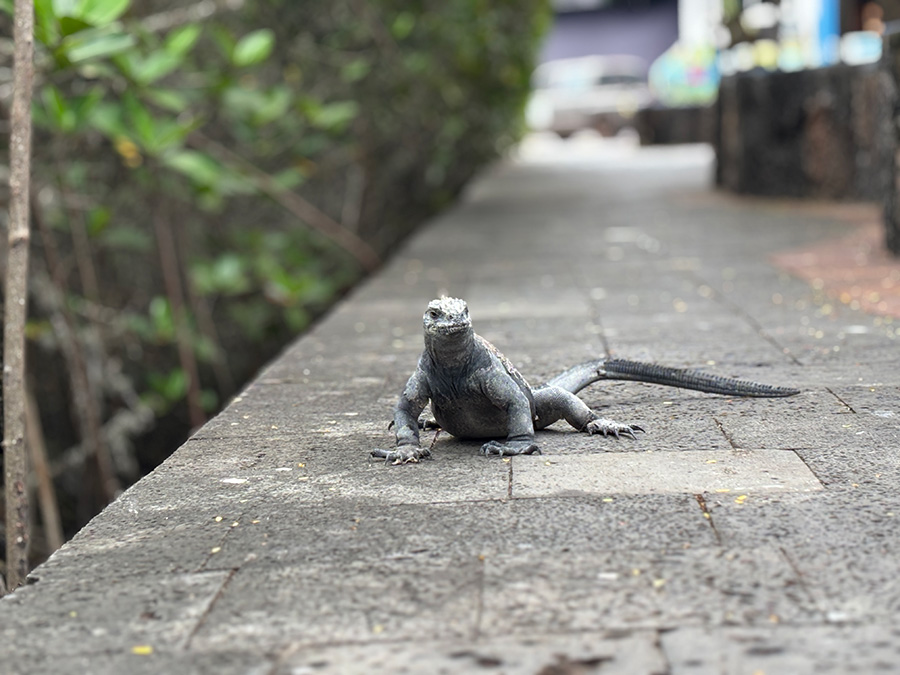
The Galápagos Islands, an archipelago belonging to the Republic of Ecuador, are home to approximately 9,000 endemic species, boasting a level of biodiversity unparalleled anywhere else in the world. However, due to newly introduced invasive species, expansion of tourism, climate change, and agricultural development— namely chemical fertilizers and the monoculture agricultural style, these ecosystems are in serious danger, with many species endangered. The Galápagos Islands therefore have been identified as one of the World Natural Heritage sites of serious international concern, and there is an urgent need to conduct ecosystem monitoring to achieve a balance between sustainable agriculture and economic activities.
The Aim of the Project
At Uminomukou Coffee, we are strong advocates for, and experts in, agroforestry coffee production, focusing on the natural benefits of shades and the presence of agricultural crops. Biome on the other hand runs apps and platforms that collect biodiversity data using its own monitoring methods. Leveraging both companies’ unique services, our joint project for JICA’s Co-creation x Innovation Program “QUEST,” aimed to verify the feasibility of balancing agricultural productivity with biodiversity conservation, in an effort to improve the livelihoods of smallholder farmers. Specifically, the project set out to determine to what extent agroforestry contributes to biodiversity conservation in the Galápagos Islands.
Based on our findings, we hope to plan and sell products rooted in this research, while building a revenue model that could sustain the work going forward. The produced coffee will be branded with the value of “biodiversity contribution” and will be sold to roasters and consumers as specialty Ecuadorian Coffee. A portion of the profits will then be reinvested as a premium back to producers and conservation efforts, while the rest will be used to refine monitoring metrics and expand the model to new regions.
While biodiversity conservation is of prominent importance, prioritizing environmental conservation often comes with short-term costs: lower yields and higher production costs for farmers, which can negatively impact their income and life stability. This leads to a genuine dilemma between protecting biodiversity, and protecting the livelihoods of the farmers. While these two goals often don’t go hand in hand, our project set out to strike a middle ground where both needs are met without compromising the other.
Agroforestry is a type of sustainable agriculture that integrates trees and shrubs with agricultural crops on the same land. Through mimicking natural forest ecosystems, it improves soil health, conserves water, creating a resilient ecosystem. Although this has increased in popularity in recent years, without tangible, scientific evidence, the idea that agroforestry is good for the environment remains just an assumption for many. Therefore, our project was designed as a Proof of Concept (PoC)— a scientific effort to verify that agroforestry is indeed good for the environment.
Where the Project Took Place
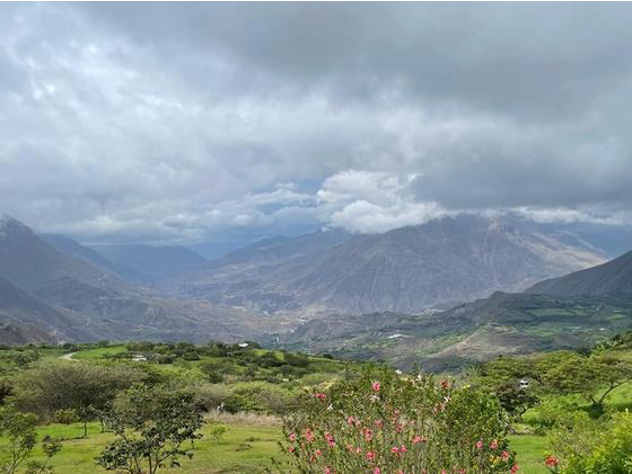
The project was carried out across a total of four farms in Ecuador, two farms in the Galápagos’ San Cristóbal Island: Amarilla and La Colina, and two farms in the Loja Province: Vinka and Finca. San Cristóbal Island, with its unique microclimate stemming from the interaction of three ocean currents, is known as the birthplace of coffee farming in the Galápagos. Approximately 40 smallholder coffee farmers carry on that tradition to this day.
The project spanned across approximately 7 weeks (11/08/2025-12/26/2025).
The 6 Indicators
Through our project, we strived to measure agroforestry’s impact on biodiversity based on six indicators.
- The presence of rare species
- The number and population of indicator species
- Forest continuity
- Vegetation structural complexity
- Shade tree species
- Land management intensity
The first two points together assessed ecosystem health by tracking endangered or rare species and their population counts. This was measured through camera traps placed across the farms to record terrestrial species, supplemented by tree-mounted cameras for bird species.
Forest continuity focused on the condition of the surrounding forest, how well one forest connected to the next, which indicated the ease at which animals can travel from one place to another. This was also measured by the camera; if animals that inhabit the forest are recorded passing through the farms, this indicated that the farms functioned as a corridor for their travels.
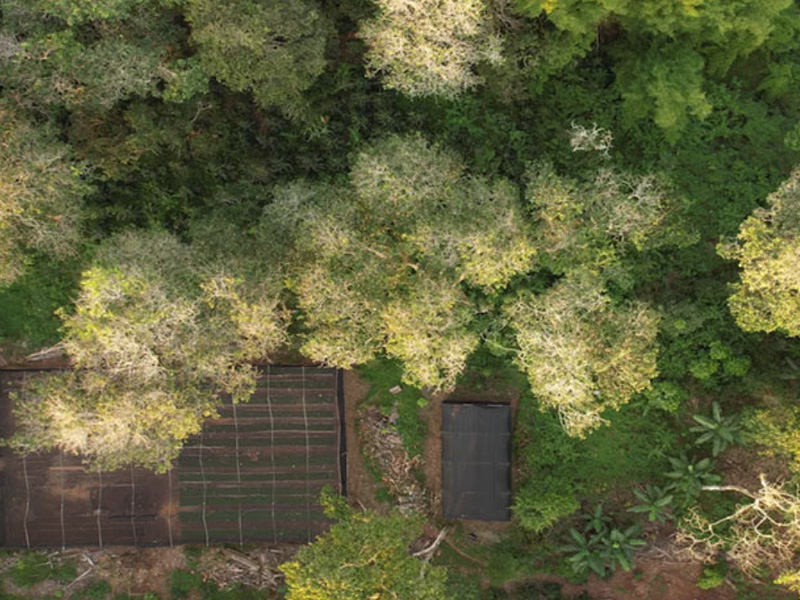
Vegetation structural complexity and shade tree species were assessed together. The more diverse the height and structure of the vegetation, the more diverse the animal ecosystem is, as it provides a wider range of habitats for various living creatures to coexist. Moreover, the more native shade tree species, the better aligned the farm’s environment is for the region’s natural ecosystem. These were measured through on-site visual surveys of the canopy structure and tree species.
Lastly, the land management intensity determined the extent to which artificial fertilizers and pesticides were used. Comparing the current practices to the land’s use before the farm establishment allowed us to see the environmental impact of the agricultural activities. This was assessed through direct interviews and surveys with local coffee farmers themselves.
What We Found
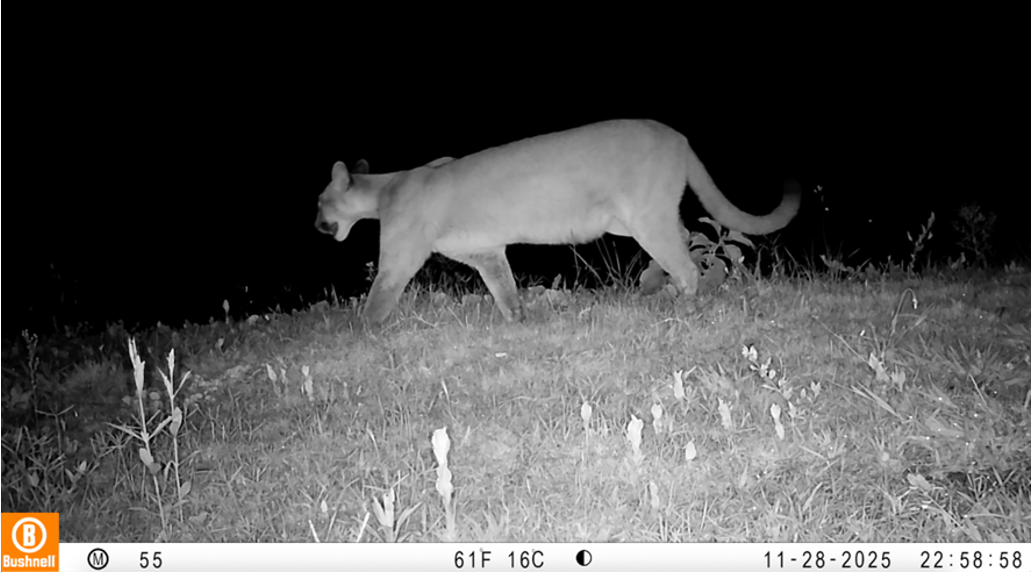
Over the course of the project, the camera traps captured three mammal species and four bird species, including a puma known as an indicator species, meaning that its presence is a strong indicator that the land surrounding the farms retains enough continuous, connected habitat to support a predator that size. Similarly, the sighting of the Ecuadorian ground-dove conveyed that the farms aren’t isolated patches, but are part of a connected landscape.
Through on-site forest surveys, we were able to confirm a longstanding observation made by ecologists: the more layered and complex a forest’s canopy is, the more habitats it offers, especially in forests with native shade trees.
In terms of feasibility, all three methods: the camera traps, on-site visual surveys, and direct interviews proved easy to carry out, and fairly straightforward. All cameras securely transmitted footage over the web without needing to physically ship any hardware. The forest surveys were also quite simple, and researchers were able to visually assess canopy complexity and identify shade tree species by walking around the farms and talking with the local farmers. Finally, in-person interviews with coffee farmers provided valuable data about their agricultural practices and provided information that supported the interpretation of other data.
Action Plan
These indicators and methodology tested in this PoC project demonstrated the feasibility and potential to measure agroforestry’s impact on biodiversity, marking the first step in our long-term plan. Given these findings, we plan to evaluate how the coffee is branded and sold, closing the supply chain loop and providing stable income for these smallholder coffee farmers.
Our PoC project provided solid evidence that biodiversity monitoring systems are both effective and feasible, and that local farmers are willing and able to take part. Moving forward, we hope to include more farms into the project, deepening our data and stabilizing the quality and yields of the coffee beans. In the upcoming years, our vision is to have a fully working business model in place, launching full commercial sales of biodiversity-branded premium coffee and testing how Japanese consumers respond to coffee sold on the value of its conservation impact, not just taste.
Moreover, we hope to employ our insights gained from this project to expand our efforts beyond these four farms, to other regions within Ecuador and to other countries facing similar challenges. To realize these goals, we hope to build valuable partnerships with international organizations and NGOs working in biodiversity and environmental conservation, allowing us to bring this model to more communities where it’s needed most.