
Due to the uncontrollable effects of climate change, suitable cultivation areas for Arabica coffee are predicted to decrease tremendously by around 2050. This signifies an inconsistent quality of the coffee cherries, a decline in yield, and consequently a decline in farmers’ income. This is known as the 2050 Coffee Crisis.
Who We Are
Established in April 2025, the “Future Design Lab” aims to tackle just that: various challenges faced by coffee origins. These challenges include but are not limited to, deforestation, urban migration of youth, malnutrition, lack of education opportunity, and gender inequality. We work in collaboration with multiple partners including international organizations, private companies, and NGOs. We are the oversea sector of our parent company Sakanotochu Co., Ltd., who works to solve environmental and social challenges, striving to build a sustainable future through supply chain reconstruction that steers away from mass production, mass consumption, and mass waste.
Our Five Areas of Cooperation
What does a partnership with Future Design Lab look like? At Future Design Lab, we have five core areas of cooperation.
- Sustainable Production and GX Promotion
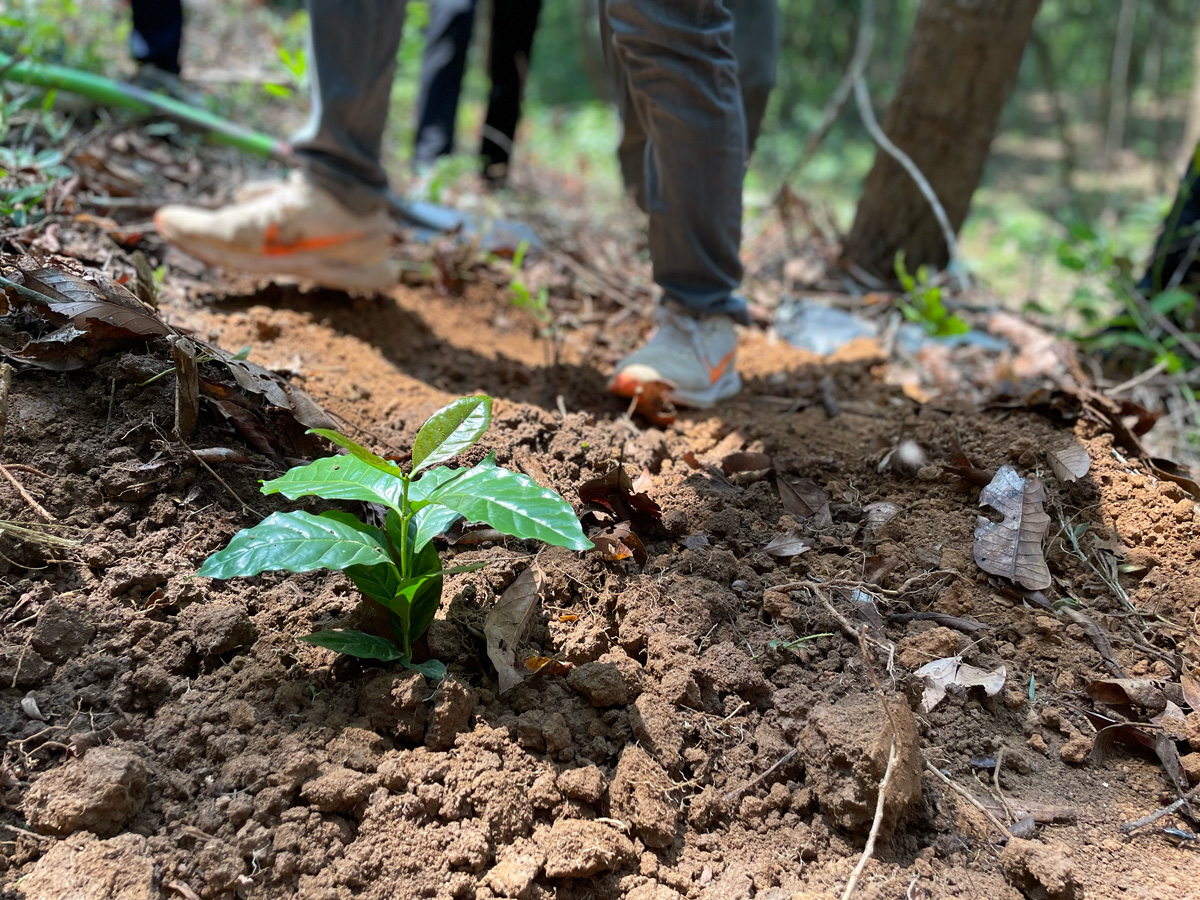
We strive to establish production systems that can be sustained long-term, both environmentally and economically. We do this through the introduction of agroforestry and Green Transformation (GX). Agroforestry is a type of agricultural management system that integrates trees and shrubs with agricultural crop. This improves biodiversity and soil health, protects the regional forests, and reduces risks of crop failure and landslides. As a result, smallholder farmers are able to have a more stable income while conserving the planet.
Green Transformation (GX) aims to decarbonize the coffee supply chain. To work toward this, we visualize the farm’s environmental impact through the Life Cycle Assessment (LCA), a method for calculating greenhouse gas (GHG) emissions across the supply chain in order to identify where those emissions come from, and how it can be reduced. An example of an ongoing partnership is with the Japanese Ministry of Economy, Trade and Industry (METI), where we are analyzing the GHG emissions of the entire coffee supply chain in Thailand, Indonesia, and Papua New Guinea, using the LCA.
- Strengthening Production Bases & Improving Quality
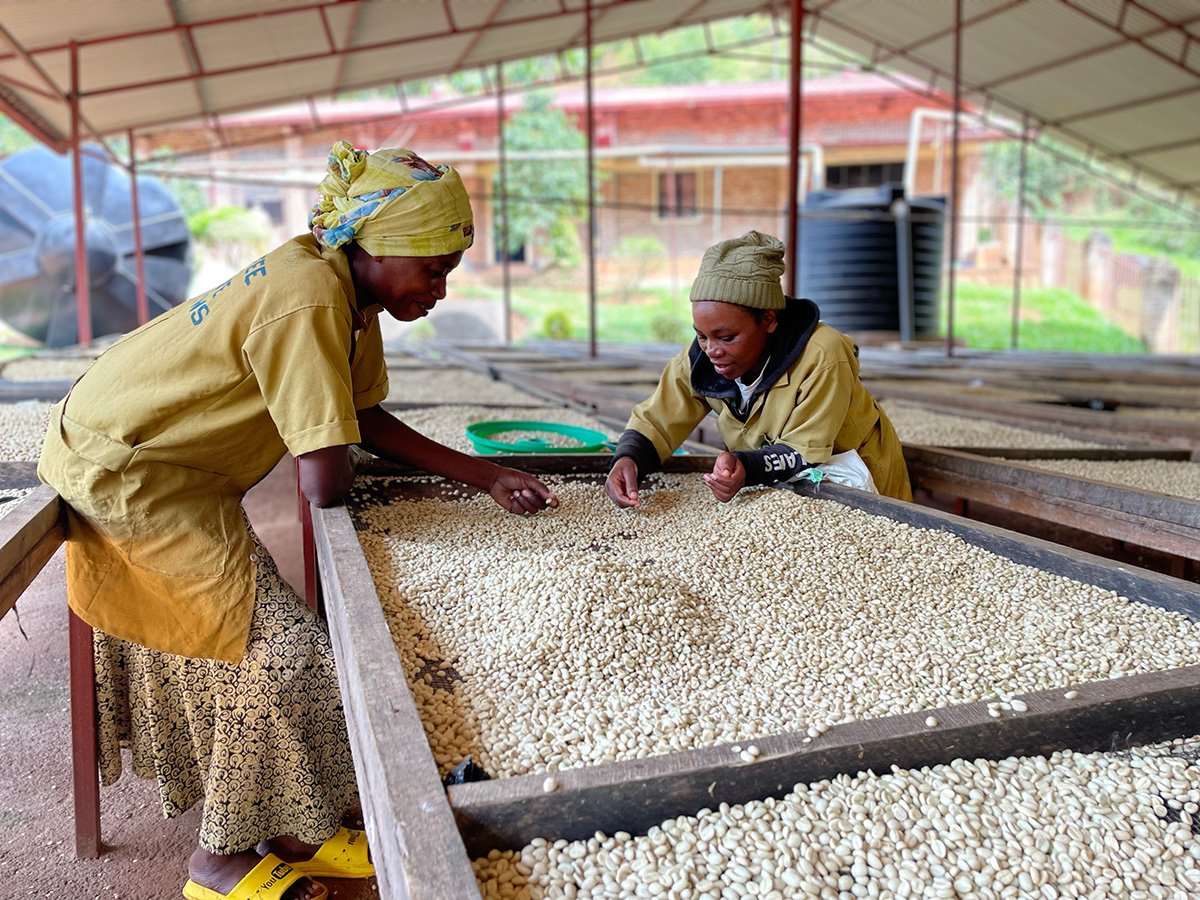
In order to enhance production and processing capacities, we visit smallholder farms and conduct on-site training, introducing processing equipment for pulping, milling, and drying the coffee. We also run quality improvement workshops covering cultivation, harvesting, processing, and fermentation. To this day, we have held over 130 workshops, reaching more than 6,000 farmers worldwide. By ensuring the quality and helping the smallholder farmers carry out more steps themselves, we help boost their income, improving their day-to-day life.
- Promoting a Circular Economy
We strive for new value creation to expand revenue opportunities by utilizing by-products such as biochar and cascara. Coffee processing waste, namely parchment, is converted into biochar, which helps reduce GHG through soil improvement and carbon sequestration. In the future, we hope to partner with carbon credit systems such as Japan’s Joint Crediting Mechanism (JCM) to bring about even more meaningful change. Additionally, we have also commercialized cascara (coffee cherry husks and pulp) into cascara syrup and cascara cola. Currently, we import cascara from Yemen and Laos, and we hope to expand this initiative to other countries.
- Developing Production Origins & Creating New Value
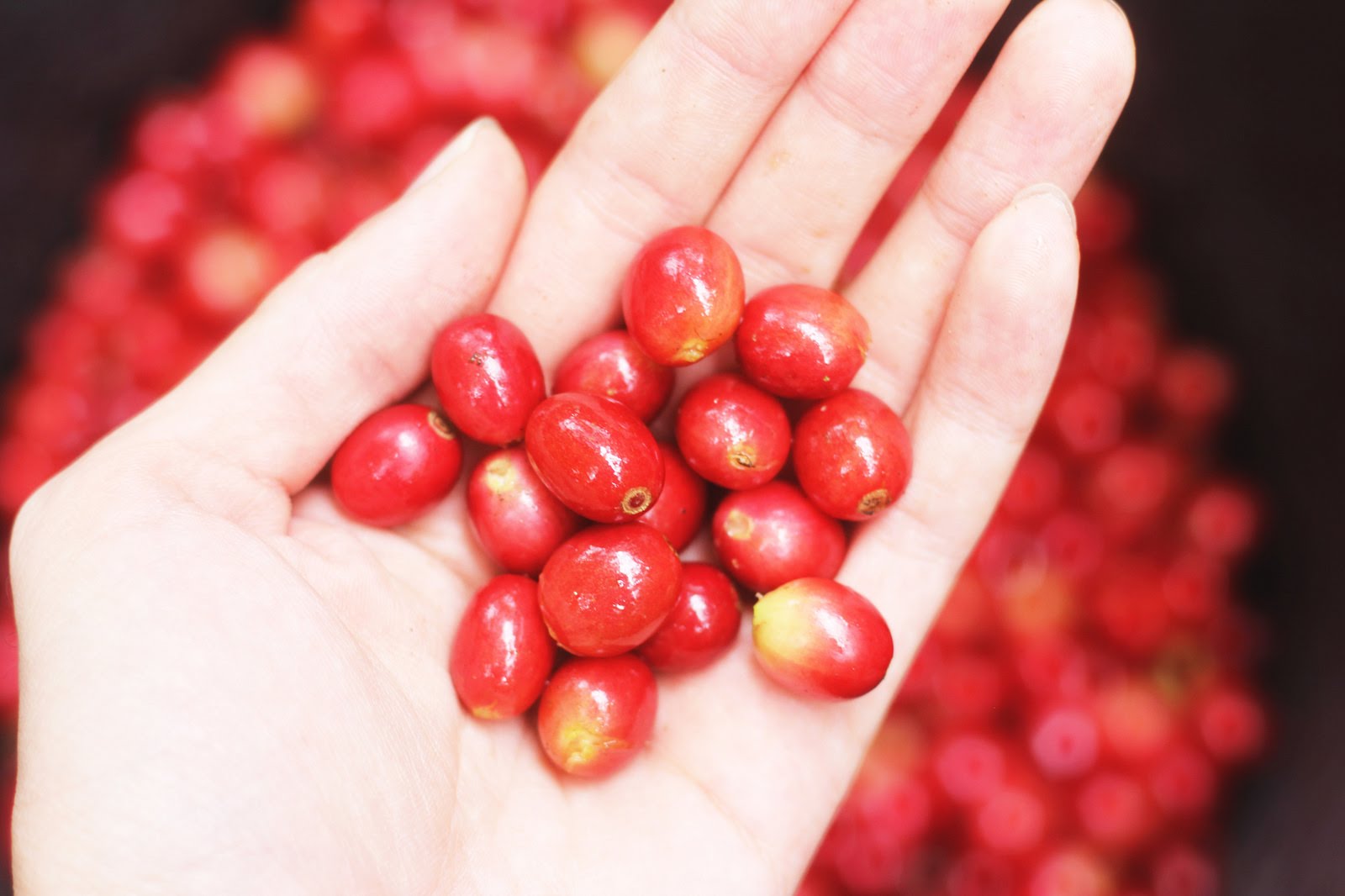
We develop master plans at national and regional levels in order to create new coffee origins and drive branding efforts tailored to the Japanese market. This means building collaborative networks with governments, producer groups, and private companies to support sustainable industry growth, as well as rediscovering what makes each origin unique, whether that’s their culture, history, environmental location, or heritage. We help create indispensable value in coffee that extends beyond quality, price, and the taste.
- Creating Touchpoints with the Japanese Market
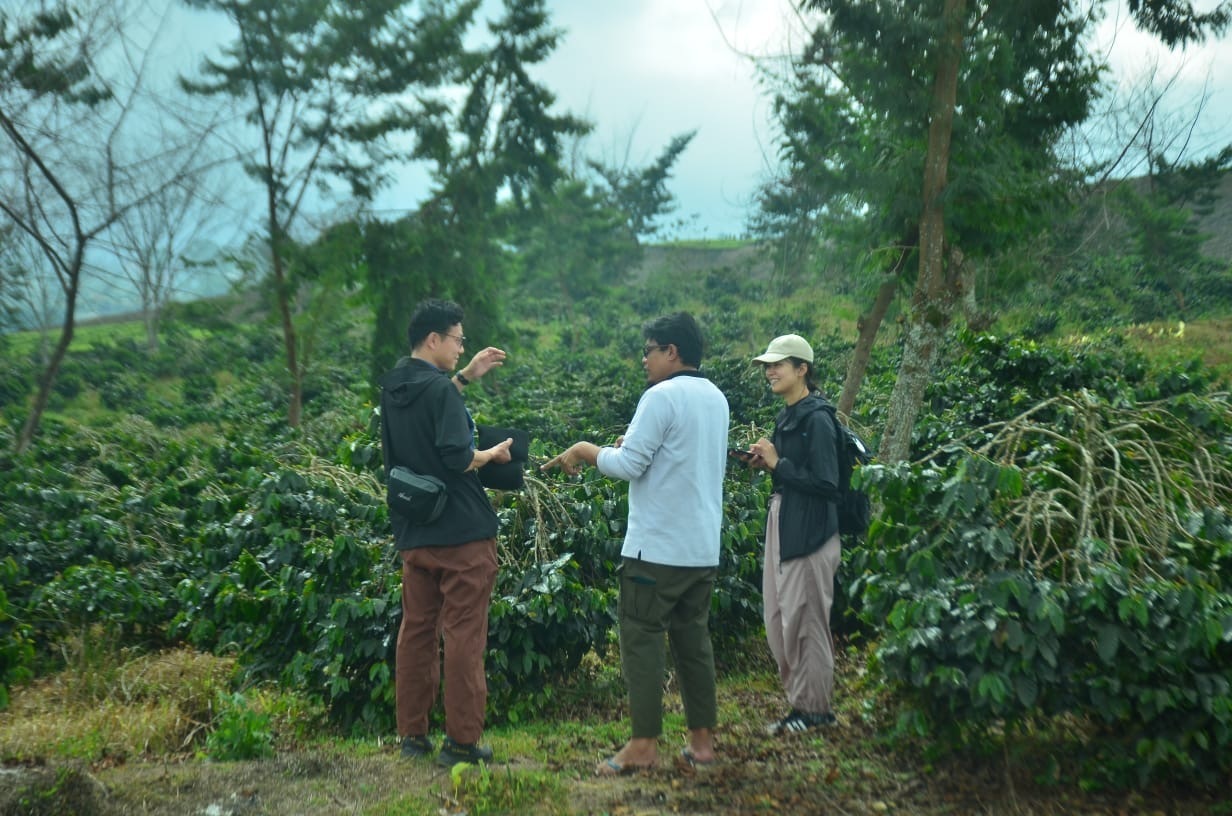
We provide producers’ access to the Japanese market by planning and executing origin tours and fostering networking opportunities with roasters and buyers, promoting a transparent supply chain relationship. These tours bring roasters and buyers directly to farms and processing facilities, opening space for real dialogue between producers and buyers. To date, we have carried out these tours in countries such as Indonesia, Thailand, Timor-Leste, and Guatemala. We also help match promising but lesser-known origins with Japanese roasters, laying the groundwork for long-term partnerships built on trust rather than one-off transactions.
Let’s Build Something Together
Whether your idea falls within our five core areas or is something entirely new, we are always looking for enthusiastic partners who share our vision and goals.
The 2050 Coffee Crisis isn’t a distant problem, and it is not “just coffee.” It is a problem that impacts the livelihoods of many farmers, ecosystems, and communities around the world.
Reach out to Future Design Lab to kickstart your new journey.